
About the Corps

A civilian institution for learning, service and recognition

The Westarctican Civilian Corps Academy gives citizens a structured civilian pathway through which they can learn about Antarctica and Westarctica, develop useful skills, participate in meaningful projects and receive verified recognition for their contributions.

Flag of Westarctica
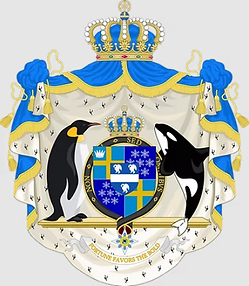
Coat of Arms of Westarctica

Our Mission

A structured civilian pathway

The Civilian Corps is a structured civilian institution providing education, service opportunities and verified recognition for Westarctican citizens.

Through seven learning pathways, approved projects and a permanent record of achievement, members can turn their citizenship into genuine, meaningful contribution.

The Territory

Where Westarctica is

Westarctica lies in Marie Byrd Land, the sector of Antarctica between 90° and 150° west. These reference maps were prepared by the Westarctican Ministry of Information. Select a map to view it in full size.

What we stand for

Three core values

01

Education

Accessible, structured learning about Antarctica, Westarctica, conservation and civic life.

02

Service

Meaningful civilian contribution through approved projects, volunteering and community action.

03

Recognition

Verified achievements recorded permanently and honoured through an evidence-based awards system.

The journey

From citizen to recognised contributor

1

Apply

Submit an application and confirm your Westarctican citizenship.

2

Learn

Complete Academy courses across the seven learning pathways.

3

Serve

Take part in approved projects and record verified service.

4

Earn Recognition

Receive certificates, ribbons and honours for verified contributions.

What you get

What the Academy provides

Understand Antarctica, Western Antarctica and Westarctica.

Learn about Westarctica's mission, government, values and activities.

Develop practical civilian, civic, conservation and leadership skills.

Discover meaningful ways to contribute.

Participate in approved projects, campaigns and community activities.

Record volunteering, project work and other qualifying service.

Complete courses, assessments and practical assignments.

Receive certificates for verified learning.

Apply or be nominated for Civilian Corps ribbons and honours.

Maintain a permanent record of certificates, ribbons, service and achievements.

Communicate with other members through a moderated internal community.

Receive public recognition for meaningful contributions where appropriate.

Leadership

The Commission

The Civilian Corps is led by a Commission: a Commissioner and a Deputy Commissioner who set its standards, shape its curriculum and uphold the recognition its members earn.

Liam Christian Ferreira, Commissioner of the Westarctican Civilian Corps, holding the flag of Westarctica

Commissioner

Liam Christian Ferreira

Liam took up the Commission after establishing Westarctica's military academy, where he serves as Commandant. That work — building an institution from the ground up and taking people through it — is the experience he now brings to civilian education.

He is also one of the nation's most visible advocates abroad, travelling with the Westarctican flag and introducing the country to new audiences around the world, turning those introductions into lasting engagement with Westarctica.

westarctica.academy
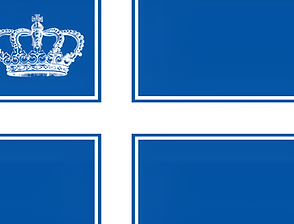
Flag of WestarcticaOfficial portrait to follow

Deputy Commissioner

David Elio Malocco

David serves as Deputy Commissioner, working alongside the Commissioner in the leadership and administration of the Corps.

Together they oversee the Academy's pathways, its standards of assessment and the awards system that recognises verified service.

Both came to the role with the same conviction: that citizenship should offer more than a passport. Between them they founded the Civilian Corps Academy to give Westarctans a civilian route into national service, one that returns something tangible — Antarctic knowledge, environmental practice, project and leadership experience, and a permanent record of what has been achieved.

Courses are written around life and work in Antarctica and its surrounding world: the continent's history and governance, conservation and environmental stewardship, community support, and the practical preparedness needed to operate in remote and extreme environments.

Ready to Begin?

Join the Civilian Corps and start making a meaningful contribution.

Apply to Join